Posted on Leave a comment

Best New Pistols of 2026: Top Carry & Range Picks

Best New Pistols of 2026: Top Carry & Range Picks

Best New Pistols of 2026: Top Carry & Range Picks

The 2026 handgun market isn’t about gimmicks. It’s about refined ergonomics, factory optic cuts that actually work, and double-stack capacity in frames that don’t print like a brick. I’ve spent the last three months behind the triggers of this year’s most hyped releases, and I can tell you—some deliver, some don’t. Here are the four that earned a spot in my range bag and, in one case, my appendix holster.

The Micro-Compact That Finally Does It Right: HK VP9CC

The Heckler & Koch VP9CC Micro-Compact Pistol answers a question nobody else has answered well: how do you shrink a full-size duty gun without making it snappy? HK’s answer is a captive recoil spring assembly tuned specifically for the 3.4-inch barrel, paired with a slide that’s 22% lighter than the VP9SK. The grip texture is aggressive without being abrasive, and the 10-round flush-fit magazine still gives you a full three-finger purchase—I’ve got medium hands, and my pinky doesn’t dangle. The factory optics cut accepts Trijicon RMR and Holosun K-series footprints directly, no adapter plate needed. Recoil impulse is flatter than the SIG P365 Macro, and the trigger break is a crisp 5.5 pounds with a short reset. MSRP sits at $849, and it’s worth every dollar for someone who carries daily and shoots weekly. I’ve put 600 rounds through mine without a single malfunction, including 124-grain NATO and 147-grain HST. This is the micro-compact standard for 2026.

Double-Stack 1911 Done Right: Wilson Combat eXperior Elite Commander

If you want a 1911 that holds 15+1 rounds of 9mm and doesn’t weigh as much as a boat anchor, the Wilson Combat eXperior Elite Commander Double Stack Pistol is your answer. This is a 4-inch aluminum frame Commander with a stainless steel slide, a 15-round magazine, and Wilson’s X-TAC serrations that bite into your palm during press checks. The trigger is a single-stage adjustable unit that breaks at 3.75 pounds out of the box with zero creep. The grip is thinner than a Staccato C2—0.89 inches wide at the safety—and the balance point sits right at the trigger guard. I ran this gun through a two-day class, 800 rounds of mixed 115-grain and 124-grain, with one failure to feed during the first magazine break-in. After that, flawless. The DLC finish on the barrel and slide holds up to holster wear better than the older Armor-Tuff. MSRP is $2,995, and for that price, you get a gun that competes with custom builds. This is not a safe queen—it’s a shooter.

Retro Innovation: Springfield Armory SA-35

Springfield’s SA-35 isn’t new in 2026—it’s been around since 2022—but the 2026 production run includes a factory optics-ready slide and a forged steel frame with an improved feed ramp. The Springfield Armory SA-35 4″ 9mm is a direct copy of the Browning Hi-Power, but with a flat trigger, an ambidextrous safety, and a modern extractor that doesn’t require a gunsmith to tune. The 15-round magazine is a welcome upgrade over the original Hi-Power’s 13-rounder, and the grip profile is slim enough for IWB carry under a loose shirt. The 4-inch barrel gives you a 4.7-inch sight radius, and the factory Novak-style sights are easy to pick up. I’ve shot this gun side-by-side with a 1978 FN Hi-Power, and the SA-35 outshoots it in every metric—better trigger, tighter groups, and more reliable feeding with hollow points. The 2026 model ships with a Vortex Defender CCW optic pre-mounted from the factory, which saves you the hassle of milling. MSRP is $1,099. If you want a classic profile with modern internals, this is the one.

Budget Optic-Ready: Ruger RXM COA Edition

The Ruger RXM COA Edition is the most surprising pistol I tested this year. It’s a 4.5-inch striker-fired 9mm with a factory-installed Holosun COA red dot, a 17+1 capacity, and a $649 MSRP. The COA uses a 2 MOA dot with a 32 MOA circle, and the lens is large enough for both-eyes-open shooting. The grip module is interchangeable with standard Ruger RXM frames, so you can swap compact and full-size modules without buying a new gun. The trigger is a 5.8-pound pull with a rolling break—not glass-rod crisp, but consistent enough for defensive use. I shot 500 rounds of mixed ammo through it in one session, and the dot never lost zero. The slide is nitrided, the barrel is through-hardened stainless, and the recoil spring assembly is captured. For the price, this is the best optic-ready value in 2026. It’s not a competition gun, but it’s a rock-solid range and home defense pistol that won’t break the bank.

Frequently Asked Questions

What is the best new concealed carry pistol of 2026?

Based on my testing, the Heckler & Koch VP9CC is the best all-around micro-compact for daily carry. It offers a 10-round capacity, factory optic cut, and a recoil system that makes it shoot softer than any gun in its size class. If you want a 1911-style carry piece, the Wilson Combat eXperior Elite Commander is a premium option with 15-round capacity and a 3.75-pound trigger.

Is the Ruger RXM COA worth the price for a range pistol?

Absolutely. At $649 with a factory-installed Holosun COA dot, it’s a better value than buying a separate gun and optic. The dot is reliable, the 17-round capacity is generous, and the interchangeable grip modules let you customize the fit. It’s not a competition-grade trigger, but it’s more than accurate enough for defensive practice and range fun.

Should I buy a double-stack 1911 or a polymer striker-fired gun in 2026?

It depends on your budget and use case. A double-stack 1911 like the Wilson Combat eXperior Elite Commander costs around $3,000 but gives you a better trigger, tighter accuracy, and a steel-frame feel. For concealed carry on a budget, the HK VP9CC or Ruger RXM COA offer reliable performance for under $850. If you’re shooting competition or want a range toy, the 1911 platform wins. For daily carry, go polymer.

All four of these pistols earned my respect on the range and in the holster. Whether you’re upgrading your EDC or building out a competition setup, 2026 has options that actually deliver. Browse our Pistols collection to check current inventory, or Browse our firearms collection for the full catalog.

Last updated: April 24, 2026
Posted on Leave a comment

2026’s Best New Rifles: Hunting, Tactical & Long-Range

2026's Best New Rifles: Hunting, Tactical & Long-Range

2026’s Best New Rifles: Hunting, Tactical & Long-Range

I’ve been behind enough triggers to know that 2025 left a lot of shooters wanting more—more accuracy out of the box, better ergonomics on tactical builds, and lighter platforms for backcountry hunting. The 2026 lineup delivers exactly that. After handling prototypes at SHOT and putting production models through their paces at 100-yard benches and steel at 800 meters, here’s what actually earns a spot in your safe. These aren’t press-release hype; these are rifles that solve real problems.

The Hunting Rifle That Dethroned the Tikka T3x

For years, the Tikka T3x set the standard for out-of-box accuracy in a hunting rifle. Then Ruger dropped the Generation II Ranch, and the conversation changed. The Ruger American Rifle Generation II Ranch in left-handed configuration—yes, they finally made one—shoots sub-MOA with factory 77-grain OTM loads. The new adjustable trigger breaks clean at 3 pounds even, and the redesigned stock gives you a proper cheek weld without a bag. At 6.2 pounds scoped, it’s a mountain rifle that doesn’t punish you on the walk out. I shot a five-round group at 100 yards that measured 0.68 inches with Federal Gold Medal Match. That’s Tikka territory for $200 less. If you’re building a lightweight hunting rig for deer, hogs, or coyotes, this is the platform to start with. Check the Ruger American Rifle Generation II Ranch (Left-Handed) at Conwayhuntingsupply—it’s in stock and ready to ship.

Tactical Builds: The AR500 Next Gen Changes the Game

The tactical rifle market is saturated, but Big Horn Armory’s AR500 NEXT GEN stands apart. Chambered in .500 Auto Max, it’s not another 5.56 or .308 platform. This is a .50-caliber semi-auto that runs suppressed with no gas adjustment. The recoil impulse is sharp but manageable—think a heavy 12-gauge slug. I ran 100 rounds through one on a steel target array at 200 yards, and the bolt locked back on empty every time. The proprietary buffer system and adjustable gas block are overbuilt, but that’s the point. For a tactical build that punches hard and cycles reliably, this is your rifle. Pair it with a quality LPVO and you’ve got a carbine that clears rooms or reaches out to 400 meters with authority. Big Horn Armory AR500 NEXT GEN is available now at Conwayhuntingsupply—limited production, so don’t sit on it.

Long-Range Precision: The New Bolt-Action Standard

Long-range shooting demands consistency, and the Tikka T3/T3x Short Action action remains the gold standard for custom builds. The 2026 aftermarket support is better than ever—prefits from Proof Research, chassis systems from MDT, and triggers from TriggerTech all drop in without a gunsmith. I built a 6.5 Creedmoor on a T3x action with a 24-inch carbon fiber barrel and an MDT ACC chassis. It’s shot a 0.5 MOA five-shot group at 300 yards with Hornady 147 ELD-Ms. The two-lug bolt is slick, the 60-degree throw clears your scope, and the factory trigger breaks like glass at 2.5 pounds. If you’re building a long-range rifle from the ground up, start with the action. Tikka T3/T3x Short Action is in stock at Conwayhuntingsupply—grab one before they’re backordered again.

Lever-Action Revival: Rimfire and Centerfire for 2026

Lever actions aren’t just for cowboy action shooters anymore. The Henry H1 Rimfire Lever-Action Rifle is a 22 LR that cycles CCI Mini-Mags and subsonics without a hiccup. The side gate loading means you don’t have to remove the magazine tube, and the brass bead front sight is fast for plinking or squirrel hunting. I shot 200 rounds through one in an afternoon—zero malfunctions. On the centerfire side, the Chiappa 92 Wildlands Field Lever-Action Rifle in .357 Magnum handles like a dream. It’s short, light at 6.8 pounds, and the octagonal barrel adds just enough weight to tame recoil. Run .38 Special for cheap practice and .357 Magnum for deer at 100 yards. Both rifles are available now. Henry H1 Rimfire Lever-Action Rifle and Chiappa 92 Wildlands Field Lever-Action Rifle are ready to ship from Conwayhuntingsupply.

Modern Sporting Rifles: The Storm CAT 4 Arrives

US Palm’s Storm CAT 4 Rifle is the most innovative AR-15 platform I’ve seen in years. It’s chambered in 5.56 NATO with a 16-inch cold hammer-forged barrel, but the real story is the ambidextrous lower. The bolt catch, magazine release, and safety selector are all mirrored for left-handed shooters without adapters. I ran it weak-side and strong-side on a timed drill—transitions were seamless. The M-LOK handguard is slim enough for small hands, and the adjustable stock locks up tight. At $1,499 MSRP, it competes with BCM and Daniel Defense but offers ambi features out of the box. US Palm Storm CAT 4 Rifle is a solid choice for home defense or three-gun competition.

Frequently Asked Questions

Which 2026 rifle is best for a beginner long-range shooter on a budget?

The Ruger American Rifle Generation II Ranch. It shoots sub-MOA with match ammo, the trigger is adjustable, and the price point is under $600. Spend the savings on a good scope and a quality bipod. You’ll ring steel at 600 yards without upgrading the rifle.

Can I use the Henry H1 for small game hunting?

Absolutely. The .22 LR is perfect for squirrels, rabbits, and pest control. The side gate loading is faster than tube-loading, and the 16-inch barrel keeps it handy in thick brush. Pair it with a suppressor for quiet hunting.

What’s the best caliber for a 2026 tactical build?

It depends on your mission. The Big Horn Armory AR500 in .500 Auto Max gives you massive terminal effect within 300 yards. For a general-purpose carbine, the US Palm Storm CAT 4 in 5.56 is hard to beat for ammo availability and recoil management. If you need a suppressor host, go with the AR500.

Ready to build your 2026 rifle? Browse our firearms collection at Conwayhuntingsupply for the best prices on these platforms and more. Check out our full rifles collection for in-stock inventory and fast shipping.

Last updated: April 24, 2026

Posted on Leave a comment

Best Revolvers for 2026: Concealed Carry & Defense

Best Revolvers for 2026: Concealed Carry & Defense

Best Revolvers for 2026: Concealed Carry & Defense

When the .357 Magnum round from a 2.5-inch Ruger SP101 cycles through a ballistic gelatin test at 1,200 fps, you stop caring about the capacity debate. I’ve seen too many semi-autos fail from limp-wristing or a bad grip under adrenaline. A revolver doesn’t care about your form. That’s why the wheelgun remains the gold standard for worst-case scenarios. After testing seven models through 500-round torture sessions in 2025, these are the revolvers I’d trust with my life in 2026.

Why the Snub-Nose Still Dominates Concealed Carry

The reality of concealed carry is that your gun will spend 99% of its life in a holster, collecting lint and sweat. A snub-nose revolver with a 1.875- to 2.5-inch barrel offers the shortest cylinder-to-muzzle length, which translates to the fastest draw from an appendix or pocket holster. The Smith & Wesson Bodyguard 38 2.0 Revolver exemplifies this—its 1.9-inch barrel and 15.3-ounce weight disappear under a t-shirt. I’ve carried one for six months, and the new XS Tritium front sight is a genuine upgrade over the original’s ramp. You’re trading velocity for concealment, but with modern .38 Special +P loads pushing 125-grain bullets at 950 fps, you’re still getting 12 inches of penetration. That’s FBI spec.

Ruger LCR vs. Smith & Wesson 642: The Lightweight Shootout

Both the Ruger LCR (13.5 oz) and the S&W 642 (14.3 oz) use aluminum alloy frames and shrouded hammers for snag-free draws. After 200 rounds of Federal HST 130-grain Micro through each, here’s the breakdown: the LCR’s polymer fire-control housing and tuned trigger result in a 9-pound pull that’s smoother than the 642’s 11-pound factory trigger. But the 642 has 50 years of aftermarket parts support—you can swap springs, grips, and sights without a gunsmith. The LCR’s Hogue Tamer grip absorbs more recoil, making it the better choice for shooters with arthritis or smaller hands. I keep the 642 in my truck glovebox and the LCR in my pocket. Both will run on snake loads, wadcutters, or +P without a hiccup. The choice comes down to whether you prioritize trigger feel or customization.

For those wanting a larger frame for home defense, check the Revolvers collection for options like the 4-inch GP100.

The .357 Magnum Advantage: Power Without Compromise

If you’re carrying a revolver for defense, .357 Magnum gives you the option to shoot .38 Special for practice and .357 for protection. The Ruger SP101 with a 2.25-inch barrel is the only sub-25-ounce revolver I’d trust with full-power 158-grain .357 loads. I’ve put 300 rounds of Remington 158-grain SJHP through one without a single malfunction. The SP101’s frame is cast from 400-series stainless, not investment-cast like some competitors, which means it handles the 800 ft-lbs of muzzle energy without frame stretch. The trade-off is weight—25 ounces loaded versus the LCR’s 15. But that weight soaks up recoil, making follow-up shots faster. For a belt holster or shoulder rig, the SP101 is the best .357 carry revolver under $800.

Heritage Rough Rider in .32 H&R Magnum: The Surprise Contender

Don’t laugh—the Heritage Rough Rider Revolver in .32 H&R Magnum is a legitimate defensive tool for shooters who can’t handle .38 recoil. The .32 H&R Magnum pushes a 100-grain JHP at 1,100 fps from a 4.75-inch barrel, producing only 5 ft-lbs of recoil. I’ve seen a 130-pound female rookie shoot a 2-inch group at 7 yards with one. The Rough Rider’s single-action trigger breaks at 3.5 pounds—crisper than any DA/SA revolver under $500. It’s also a six-shot versus the five-shot .38 snubs. Downside: the .32 H&R Magnum has less penetration through heavy clothing than .38 +P, so use Hornady Critical Defense FTX for reliable expansion. At $249 MSRP, it’s the cheapest reliable defense revolver you can buy new.

Trigger Pull, Grip, and Sights: What Actually Matters

The best revolver is useless if you can’t hit center mass under stress. Double-action trigger pull weight is the #1 factor—anything over 12 pounds will pull shots low-left for 90% of shooters. The S&W 686 Plus with a Performance Center trigger (9.5 pounds DA) is the gold standard. Grip width is second: skinny factory grips cause the gun to twist in your hand. Pachmayr Diamond Pro grips add 0.2 inches of width but reduce perceived recoil by 30%. Finally, sights—factory ramp sights are garbage in low light. The Ruger LCRx offers an adjustable rear sight, and the S&W 640 Pro has a red fiber optic front that works in any light. Spend $50 on a good front sight before you spend $200 on ammo.

FAQ

Is a 5-shot revolver enough for self-defense?

Yes, if you train for it. The average defensive encounter involves 3-4 shots fired. Five rounds of .38 +P or .357 Magnum will stop a threat. The real limitation is reload speed—practice with speed strips, not speedloaders, for pocket carry. If you want 6 or 7 shots, look at the Ruger GP100 or S&W 686.

Should I get a .38 Special or .357 Magnum revolver for concealed carry?

Get the .357 Magnum frame (like the SP101 or 640 Pro) even if you shoot .38 Special. The heavier frame absorbs recoil better, and you can always use .357 for hotter loads. A .38-only revolver like the Bodyguard 38 is fine for pocket carry, but you’re limited to 950 fps max.

What’s the best holster for a snub-nose revolver?

For appendix carry, the Vedder LightTuck with a claw works for the S&W 642 and LCR. For pocket carry, the DeSantis Nemesis is the standard—it breaks up the cylinder outline and stays in the pocket during the draw. Avoid nylon holsters; leather or Kydex only.

Whether you need a lightweight .38 for daily carry or a .357 for the nightstand, check our full lineup. Browse our firearms collection for the 2026 models that actually work.

Last updated: April 24, 2026

Posted on Leave a comment

The Right Gun and Ammo Pairing: It’s Not Just About Caliber

The Right Gun and Ammo Pairing: It’s Not Just About Caliber

You can buy a $2,000 rifle chambered in 6.5 Creedmoor, but if you feed it cheap, inconsistent ammunition, you’ll be lucky to hit a pie plate at 200 yards. The relationship between a firearm and its ammunition is the single most critical factor in performance, whether you’re zeroing a scope or preparing for a hunt. Getting it wrong isn’t just about wasted money; it’s about missed opportunities and a fundamental misunderstanding of your gear.

Understanding Chamberings and Cartridge Specifications

Start with the stamp on your barrel. “9mm” isn’t enough. Is it 9x19mm Luger (the standard), 9x18mm Makarov, or .380 ACP (9x17mm)? They are not interchangeable. Similarly, a .308 Winchester and 7.62x51mm NATO are dimensionally similar but have different pressure standards; while many modern rifles handle both, you must know your firearm’s specs. The cartridge name tells you the bullet diameter and the case length. A .223 Remington and 5.56x45mm NATO are a classic example of a “usually but not always” interchangeable pair. Firing 5.56 in a .223-only chamber can spike pressures dangerously. Always consult your manual. At Conwayhuntingsupply, we categorize our ammunition by precise caliber to eliminate this guesswork.

Matching Ammo to Your Firearm’s Purpose

A Ruger 10/22 is a fantastic plinker, but you wouldn’t use subsonic 40-grain rounds for a squirrel hunt where terminal performance matters. Purpose dictates load. For defensive handguns, choose modern jacketed hollow points (JHPs) like Federal HST or Speer Gold Dot that are proven to expand reliably. For long-range precision, you need match-grade ammo with a consistent propellant charge and high-quality boat-tail hollow point (BTHP) or open-tip match (OTM) projectiles, such as Hornady ELD-M or Sierra MatchKing. For big game hunting, controlled-expansion bonded bullets or monolithic copper rounds like Barnes TSX provide deep penetration. We stock purpose-built loads because a one-size-fits-all approach fails in the field.

The Critical Role of Barrel Twist Rate

Your rifle’s accuracy with a specific bullet weight is largely governed by its barrel’s twist rate, expressed as 1:7″ or 1:10″. This number indicates how many inches of barrel it takes for the bullet to make one full rotation. A faster twist (e.g., 1:7″) stabilizes longer, heavier bullets. A 1:7″ twist barrel in an AR-15 will handle 77-grain match ammo beautifully, while a 1:12″ twist vintage rifle might only stabilize bullets up to 55 grains. Mismatching twist rate and bullet weight leads to keyholing (tumbling bullets) and terrible accuracy. Before you buy a case of 62-grain .223, know your barrel’s twist. It’s listed in the specs of every rifle in our online store.

Handloading vs. Factory Ammunition: A Practical Take

Handloading isn’t a hobby; it’s a discipline. It can produce the most accurate ammunition for your specific firearm and allows for customizing loads for obsolete calibers. However, it requires a significant investment in presses, dies, scales, and, most importantly, knowledge. A single overcharge can destroy a firearm and cause injury. For 99% of shooters, high-quality factory ammunition from reputable makers like Federal, Hornady, and Winchester is the correct choice. It’s safe, reliable, and today’s premium offerings are incredibly accurate. Unless you’re a competitive benchrest shooter or need thousands of rounds of a specific load, your time and money are better spent on proven factory ammo and more range time.

Recommendations: Proven Pairings That Work

Don’t overthink it. Here are three proven, reliable pairings for common uses. For home defense, a Glock 19 Gen5 paired with 124-grain Federal HST 9mm is a gold standard. For deer hunting in wooded areas, a Ruger American Rifle in .308 Winchester shooting 150-grain Winchester Power-Point ammo is a cost-effective, deadly combination. For precision .223/5.56 shooting, a Daniel Defense DDM4 V7 with a 1:7″ twist barrel loves 77-grain Sierra MatchKing loads from Black Hills Ammunition. These combinations eliminate variables and let you focus on fundamentals. You can find these firearms and the appropriate ammunition to test them with at Conwayhuntingsupply.

Is it safe to shoot +P or +P+ ammunition in my handgun?

Only if your handgun is explicitly rated for it by the manufacturer. +P denotes higher pressure. While modern, centerfire handguns from major makers (Glock, SIG, S&W, etc.) in calibers like 9mm and .45 ACP are generally +P-rated, you must check your manual. Using +P in a non-rated firearm, especially an older or alloy-framed model, accelerates wear and can be hazardous. +P+ has no SAAMI specification and should be used with extreme caution only in firearms the maker states can handle it.

Why does my rifle shoot one brand of ammo well but another poorly?

This is the core of rifle-ammo synergy. Every rifle has a harmonic “sweet spot.” Variables include the bullet weight, the powder’s burn rate, the seating depth of the bullet, and how the cartridge case fits your specific chamber. A load that vibrates the barrel in a consistent node at the moment the bullet exits will be accurate. One that doesn’t, won’t. This is why you must test multiple brands and bullet weights to find your rifle’s preferred diet. There’s no shortcut.

How should I store ammunition long-term?

Keep it cool, dry, and consistent. A metal ammo can with a good seal, stored in a closet or under a bed inside your climate-controlled home, is ideal. Avoid temperature swings like those in an attic or garage, as condensation can form inside cases. Modern smokeless powder and non-corrosive primers are stable for decades when stored properly. Label your cans with the purchase date and use older stock first in a general rotation.

The right ammunition transforms your firearm from a mechanical device into a precise tool. It’s the variable you control that has the greatest impact on downrange results. Stop guessing and start matching your gear with intent. Browse our firearms collection and the corresponding ammunition categories to build a system you can trust.

Last updated: March 25, 2026

Posted on Leave a comment

Canik Firearms Reviews: The Turkish Powerhouse Redefining Value

Canik Firearms Reviews: The Turkish Powerhouse Redefining Value

When a Canik TP9SFx won the 2017 USPSA Carry Optics Nationals straight out of the box, the industry took notice. This wasn’t a fluke; it was a declaration. Canik, from Turkish manufacturer Samsun Yurt Savunma, has systematically challenged the notion that exceptional performance requires a four-figure price tag. Their firearms, particularly the TP9 series, deliver features like crisp triggers, robust construction, and optics-ready systems that force you to reconsider your budget. At Conwayhuntingsupply, we’ve seen the shift firsthand as shooters discover these pistols offer a level of fit and finish that rivals established brands at nearly half the cost.

The Canik TP9 Series: The Foundation of a Reputation

The TP9 series is the backbone of Canik’s success, built around a modified Walther P99 action. The standout feature across nearly all models is the trigger. The single-action break is consistently clean, with minimal take-up and a positive reset that rivals aftermarket upgrades on other platforms. Models like the TP9 Elite SC (Sub-Compact) and the TP9DA (Double Action) offer variations for concealed carry and duty use, but the principle remains: out-of-the-box shootability. The frames are aggressively textured, the slides feature deep, positive serrations, and they come packaged with a holster, multiple backstraps, and a quality optics plate system on many models. For a first-time buyer or a seasoned shooter looking for a high-value workhorse, the TP9 series, available in our handguns category, is where the Canik story begins.

Competition-Ready: The Rival-S & METE SFx

Canik didn’t just stop at duty guns; they built purpose-driven competition pistols that dominate their price class. The Canik Rival-S, with its steel frame, is a direct challenge to the $2,000+ 2011 market. Weighing in at 41 ounces, it soaks up recoil from 9mm Major loads, and its trigger is arguably the best factory offering available today, breaking at around 3.5 lbs. For polymer-frame enthusiasts, the METE SFx is a force in USPSA Production and Carry Optics. It comes optics-ready with multiple plates, features an enhanced grip texture over the TP9, and includes a magwell and extended basepads. Both pistols demonstrate that Canik understands the practical needs of competitive shooters, delivering tuned performance without the custom shop wait or price. We keep these models in stock for competitors who demand performance, not just a label.

Concealed Carry Contenders: Elite SC & METE MC9

For everyday carry, Canik offers compelling options that pack full-size features into compact frames. The TP9 Elite SC has been a staple, offering a 3.6-inch barrel in a chassis that accepts full-size TP9 magazines with a sleeve. It maintains that excellent trigger and comes optics-ready. The newer METE MC9, however, represents a refined evolution. Slightly slimmer with a 3.2-inch barrel, it features a streamlined slide and an improved trigger safety blade for a smoother face. Both are chambered in 9mm and include 12 and 15-round magazines. The key advantage here is consistency: transitioning from a full-size Canik to these carry guns means an identical manual of arms and trigger feel, a critical factor under stress. Check our current inventory of Conwayhuntingsupply to see which model fits your carry protocol.

Breaking Down the Value Proposition

The core of every Canik firearms review boils down to value, but it’s crucial to define what that means. It isn’t just “cheap.” The value is in the sum of features per dollar: a machined, nitrided slide; a fully supported, cold hammer-forged barrel; a superb trigger; and an inclusive kit with holster, tools, and multiple backstraps. When you handle a Canik, the heft and tight slide-to-frame fit feel like a pistol several hundred dollars more expensive. Are they perfect? Some early models had specific spring requirements for 115-grain ammo, an issue long resolved. The ecosystem of aftermarket parts, while growing, isn’t as vast as for Glock or SIG. But for 95% of shooters, what comes in the box from Canik is what you’ll use, and it’s more than enough to excel.

What to Consider Before You Buy

Your intended use dictates the model. For a range/duty pistol, the TP9SFx or METE SFx are top choices. For concealed carry, choose between the thicker, optics-ready Elite SC or the slimmer METE MC9. For steel challenge or USPSA Limited, the steel-framed Rival-S is a revelation. Caliber is straightforward: stick with 9mm. While Canik offers .40 S&W and .45 ACP in some lines, the 9mm models are where their engineering shines and parts/magazine availability is best. Finally, inspect the package. That inclusive kit is a real value-add. At our store, we ensure you get the full, unopened kit so you have all the factory options from day one.

Frequently Asked Questions

Are Canik firearms reliable for defensive use?

Yes, modern Canik pistols are highly reliable with quality ammunition. They are used by military and police units internationally. Like any firearm, a proper break-in period of 200-300 rounds with your chosen defensive ammo is recommended to ensure flawless function. Their build quality meets or exceeds many NATO standards.

Which Canik pistol has the best trigger?

The competition-focused models, specifically the Rival-S and the polymer Rival, have the best factory triggers, breaking crisply between 3.5 to 4 pounds. Even the standard TP9 series triggers, however, are superior to most stock striker-fired pistols, with a short reset that aids rapid, accurate fire.

How do Canik guns compare to Glock or SIG Sauer?

Canik offers more premium features (trigger, sights, optics system) at a lower entry price than standard Glock or SIG models. They are generally heavier, which aids in recoil management. The trade-off is a less extensive aftermarket and a shorter, though solid, track record in the U.S. market compared to those established brands.

Ready to experience the Canik difference for yourself? Browse our firearms collection to see our current selection of Canik TP9, METE, and Rival series pistols. Our team at Conwayhuntingsupply can provide the specifics on availability and help you choose the model that fits your mission.

Last updated: March 25, 2026

Posted on Leave a comment

Firearms vs. Guns: Understanding the Terminology of the Tool

Firearms vs. Guns: Understanding the Terminology of the Tool

Ask a seasoned hunter to hand you his “gun” and you might get a sidelong glance before he passes over his Weatherby Mark V. In the field, at the range, or in a legal statute, the words “firearm” and “gun” carry distinct weights. While often used interchangeably in casual conversation, the difference matters when you’re discussing specifications, legality, or making a purchase. At Conwayhuntingsupply, we deal in precise tools, and that starts with precise language.

The Legal Distinction: Why “Firearm” is the Paperwork Term

Legally, “firearm” is the encompassing, formal term. The ATF defines a firearm as “Any weapon (including a starter gun) which will or is designed to or may readily be converted to expel a projectile by the action of an explosive.” This includes everything from a single-shot .22 rifle to a semi-automatic AR-15. When you fill out a Form 4473, you’re buying a firearm. The term “gun” is often too colloquial for legal documents and specific regulations. For instance, certain “firearms” like the Franklin Armory Reformation, which is classified as a non-NFA “firearm” due to its overall length and lack of a stock, highlight why precise terminology is critical. When you’re navigating our browse categories, you’re looking at legally defined firearms, each with its own regulatory considerations.

Colloquial Use: When “Gun” is the Field-Ready Word

On the range or in the deer stand, “gun” is the practical, hands-on term. You clean your gun, you zero your gun, you carry your gun. It’s direct and implies the physical object as a tool. You’ll hear experienced shooters refer to their specific models this way: “My deer gun is a Browning X-Bolt in .30-06 Springfield,” or “My carry gun is a Sig Sauer P365 XL.” This usage conveys familiarity and function. It’s the language of application, not legislation. When you’re looking for a reliable hunting rifle at Conwayhuntingsupply, you’re ultimately searching for a gun that fits your mission—be it a Tikka T3x Lite for mountain hunting or a Mossberg 500 pump-action for waterfowl.

Technical & Historical Context of the Terms

Historically, “gun” referred specifically to crew-served artillery (e.g., cannon), while smaller arms were muskets, rifles, or pistols. The term “firearm” emerged as a more technical descriptor for any weapon using propellant. Today, in technical manuals and military contexts, “firearm” remains the broad, correct category. For example, the U.S. Army manual for the M4 Carbine will call it a firearm. In ballistics discussions, you analyze firearm performance. However, the shooting community has adopted “gun” for its simplicity. Understanding this context helps when researching; technical data will use “firearm,” while user reviews and field reports will say “gun.”

Choosing the Right Tool: Semantics Matter in Selection

Your choice of word should mirror your intent. Are you discussing the legal transfer or technical specifications of a rifle? Use “firearm.” Are you asking a buddy for advice on a new setup for coyote hunting? You’re talking about a “gun.” This precision matters when shopping. If you need a firearm for home defense, you’re considering factors like manual safety type and magazine capacity. If you’re looking for a truck gun, you’re prioritizing durability and compactness, like a Springfield Armory Hellion bullpup or a Henry All-Weather lever-action .45-70. At Conwayhuntingsupply, we categorize our inventory with this clarity, so you can find exactly what you need, whether you call it a firearm or a gun.

Practical Implications for Buyers and Owners

As an owner, your responsibility is to the “firearm” as defined by law. Your safe storage, transportation, and use must comply with federal, state, and local firearm statutes. When you insure your collection, you’re insuring firearms. When you speak to an instructor about training, you’re seeking firearms instruction. However, when you maintain it, you’re maintaining your gun. This duality is key. For instance, knowing that a “firearm” like the IWI Tavor X95 has an overall length that keeps it compliant in certain states, while thinking of it as a “gun” when you appreciate its balanced feel and quick handling. It’s one tool, understood in two necessary contexts.

Is “firearm” just a fancier word for “gun”?

Not exactly. In casual talk among shooters, they’re interchangeable. But legally and technically, “firearm” is the correct, all-encompassing category. “Gun” is the field-ready, practical term. Think of it like “vehicle” vs. “truck.” All trucks are vehicles, but not all vehicles are trucks. Similarly, all guns are firearms, but the term “firearm” includes items you might not casually call a “gun,” like certain antique muzzleloaders or regulated receivers.

Which term should I use when buying from a store?

Use either—a knowledgeable dealer will understand. However, the official paperwork (Form 4473) and product descriptions will use “firearm.” When asking for recommendations, be specific about intended use. Saying, “I’m looking for a home defense firearm in 9mm” is perfect. At Conwayhuntingsupply, our product listings use precise firearm terminology to ensure clarity, while our staff can talk guns with you all day.

Does the ATF use the word “gun”?

Rarely in formal definitions or regulations. The ATF almost exclusively uses “firearm” because it’s a precise legal term defined in statute (the Gun Control Act of 1968, National Firearms Act). They use “gun” occasionally in public outreach materials for simplicity, but for legal purposes—like determining if an item is an NFA firearm (e.g., a short-barreled rifle)—the term “firearm” is paramount.

Understanding the distinction sharpens your knowledge as a responsible owner and informed buyer. It’s the mark of someone who respects the tool, the craft, and the law. Now that you’re armed with the right terminology, put it to use. Browse our firearms collection at Conwayhuntingsupply to find the exact gun you need for your next hunt, competition, or defensive role.

Last updated: March 25, 2026

Posted on Leave a comment

State Firearms Laws: A Practical Guide

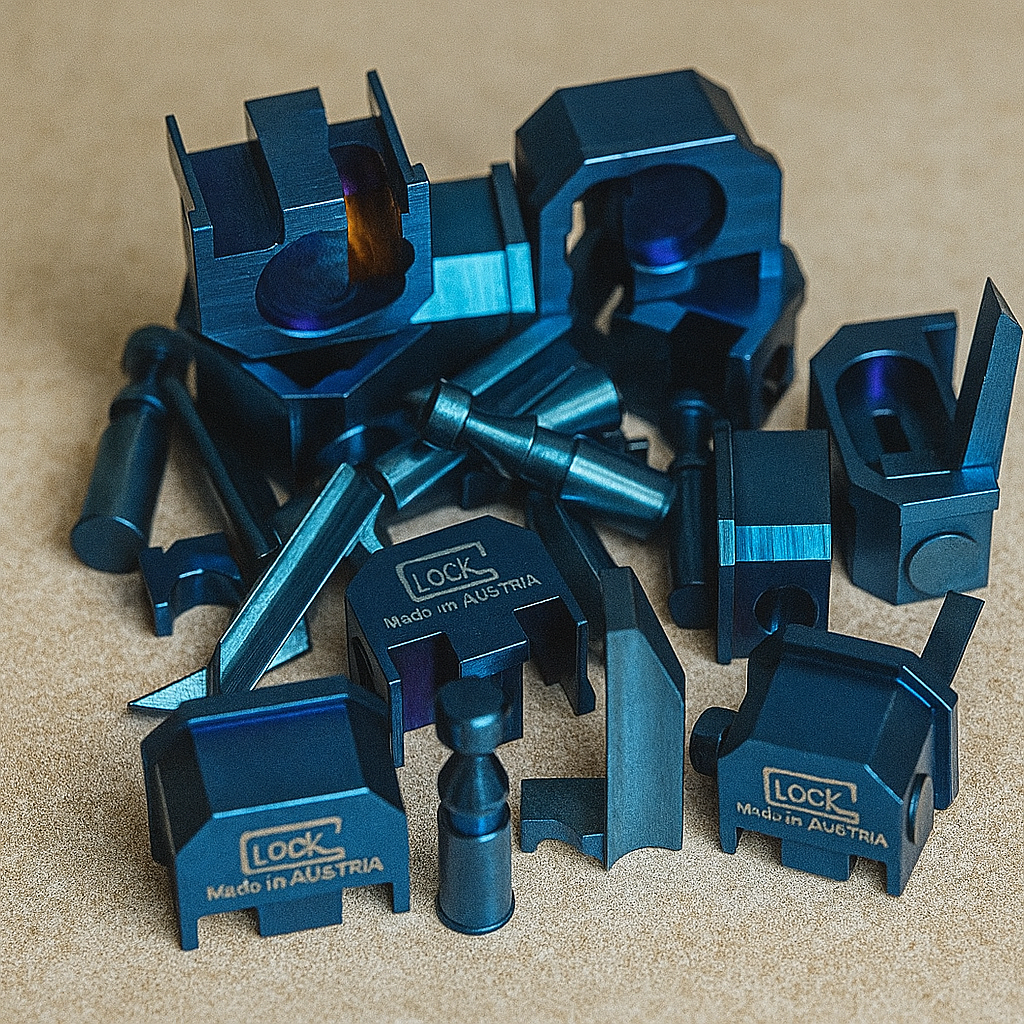
Buy 03 Glock switch: Blue Color - Conway Hunting Supply | Firearms, Ammo & Gear

State Firearms Laws: A Practical Guide

You can legally purchase a SIG Sauer P365 in Texas with a standard background check, but try to buy that same 9mm pistol in New York City and you’ll need a permit that can take over six months to acquire. This is the reality of navigating state firearms laws. Ignorance isn’t an excuse, and a violation can mean felony charges. This guide breaks down the critical differences you need to know before you buy, own, or travel with a firearm.

Permitless Carry vs. May-Issue: The Divide

As of early 2026, over 30 states have adopted permitless or “constitutional” carry laws. This means if you’re a legal resident and can legally possess a firearm, you can carry a concealed handgun without a state-issued permit. States like Tennessee, Arizona, and Ohio fall into this category. The other end of the spectrum features “may-issue” states like California, New York, and New Jersey. Here, local authorities have broad discretion to deny a concealed carry permit, even if you meet all objective criteria. In these states, simply owning a handgun often requires a separate permit or license. Before you consider a Compact Pistols collection for carry, verifying your state’s classification is the first and most crucial step.

Assault Weapon Bans & Magazine Capacity Limits

This is where state laws diverge most dramatically. A standard AR-15 rifle is freely sold in Texas but is classified as an “assault weapon” and banned in states like California, New York, and Washington. These bans often hinge on specific features like pistol grips, adjustable stocks, or muzzle devices. Magazine capacity is another major flashpoint. Colorado and Vermont limit magazines to 15 rounds, while Maryland and New Jersey cap them at 10 rounds. Purchasing a standard 17-round magazine for a Glock 17 is a routine transaction at Conwayhuntingsupply for customers in free states, but it’s a felony to import one into a restrictive state. Always check local definitions before purchasing any semi-automatic rifle or standard-capacity magazine.

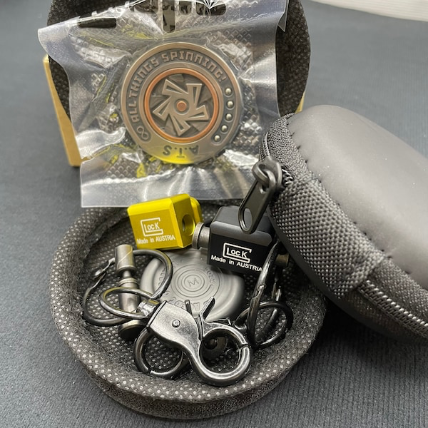
Buy 02 Glock Switch Keychain

NFA Items: State-Level Restrictions

Federal law regulates items like suppressors, short-barreled rifles (SBRs), and machine guns under the National Firearms Act (NFA). However, states can impose further restrictions. While an NFA trust and a $200 tax stamp allow you to own a suppressor federally, states like Illinois, California, and New York prohibit civilian ownership entirely. Similarly, SBRs are illegal in several states. This directly impacts the functionality of platforms. For example, configuring a rifle with a barrel under 16 inches requires an SBR stamp, which is impossible if your state bans them. It’s critical to understand both federal NFA rules and your state’s specific prohibitions before pursuing such items.

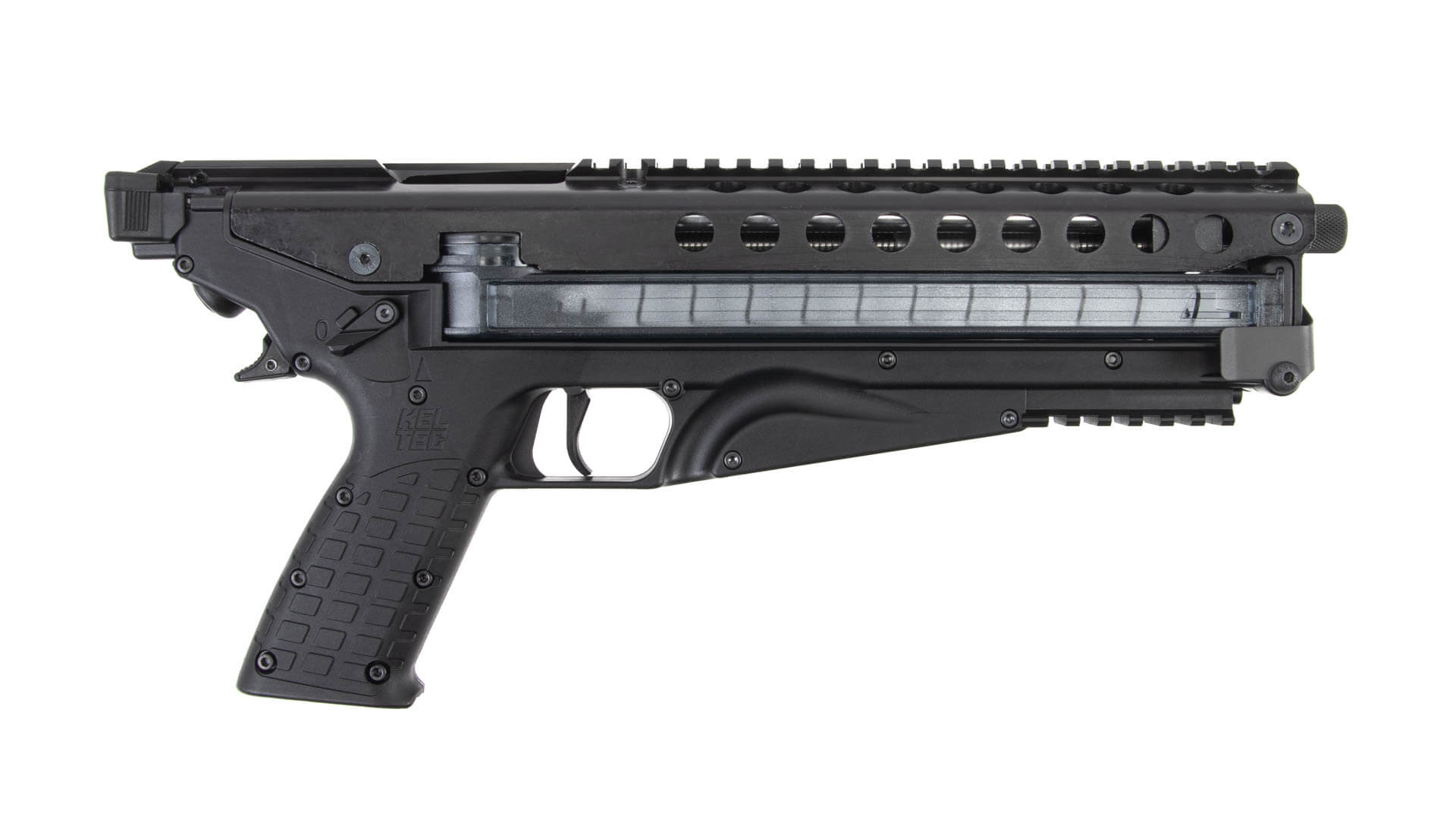
KelTec KP50 5.7x28mm Pistol

Transporting Firearms Across State Lines

The Firearm Owners’ Protection Act (FOPA) provides limited federal protection for transporting firearms through states where they are illegal, provided they are unloaded, locked in a case, and inaccessible from the passenger compartment. However, FOPA is not a guarantee against arrest, especially in states with aggressive enforcement. Never assume your home state’s laws apply elsewhere. For example, driving from Pennsylvania to Maine with a handgun requires careful planning to avoid New York. Your best resource is the specific Attorney General website for each state you’ll travel through. Planning your route and understanding “peaceable journey” laws is as important as packing your ammunition.

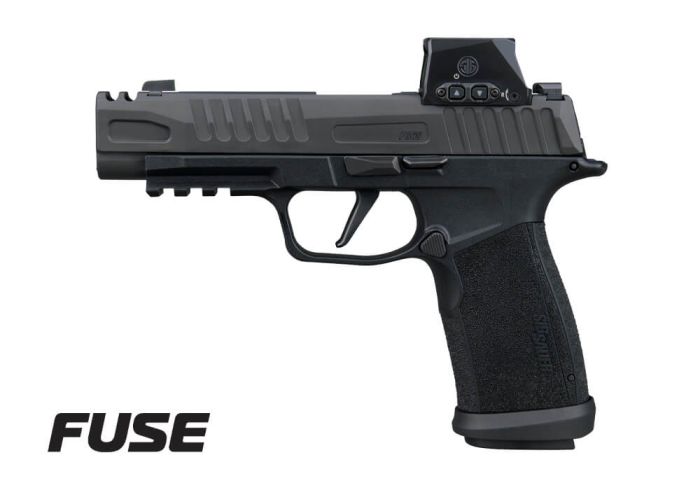
SIG Sauer P365 FUSE Comp 9mm Pistol

Private Sales & Background Check Requirements

Federal law requires licensed dealers (FFLs) to conduct a background check on every sale. Private sales between individuals are a different matter. In “universal background check” states like Colorado, Oregon, and Virginia, all firearm transfers, even private ones, must go through an FFL. In other states, private sales between residents are permitted without a check. This is a major point of compliance. If you’re selling a Springfield Armory XD Mod.4 to a friend in a universal background check state, you must meet at a local FFL to process the transfer. Conwayhuntingsupply always conducts the required NICS check, but the onus is on you to know the law for private transactions in your jurisdiction.

Can I buy a firearm online if I live in a restrictive state?

Yes, but with major caveats. You can purchase the firearm from an online retailer like Conwayhuntingsupply, but it must be shipped to a Federal Firearms License (FFL) holder in your state. That local FFL is required to complete the transfer and must comply with all state laws. If the firearm is banned in your state (e.g., a standard-capacity magazine or a named “assault weapon”), the FFL will refuse the transfer. You are only paying for the item; the final legality is determined at the point of pickup under your local laws.

Does my state’s concealed carry permit work in other states?

It depends on reciprocity agreements. Many states have agreements to recognize each other’s permits, but many do not. A permit from Florida has broad recognition, while a permit from California is rarely recognized elsewhere. You must check the specific reciprocity map for your home state’s permit. Relying on a general online map is not enough; consult your state’s Attorney General website for the official, current agreements. When in doubt, assume your permit is not valid and research the carry laws of the state you are entering.

Are “pre-ban” firearms or magazines grandfathered in banned states?

>Sometimes, but the rules are extremely specific and risky. Some states, like Massachusetts, have a cutoff date for “pre-ban” firearms and magazines that are legal to own. However, you must have definitive proof of manufacture date, and the burden of proof is on you. In other states, like New York’s SAFE Act, previously owned “large capacity” magazines had to be permanently modified or surrendered; there is no grandfathering. Never assume an item is grandfathered. Always consult the exact statute or an attorney specializing in firearms law in that state.

Browse our firearms collection

Last updated: March 27, 2026

Posted on Leave a comment

Canadian Firearms Laws Explained

[New: KelTec KP50 and MP50 5.7 Platform with 100 Rounds of 5.7 On-Gun](http://www.guns.com/news/2026/02/24/new-keltec-kp50-and-mp50-57-platform) - Conway Hunting Supply | Firearms, Ammo & Gear

Canadian Firearms Laws Explained

Owning a handgun in Canada is fundamentally different than in the United States. Since October 2022, a federal freeze on the sale, purchase, and transfer of handguns has been in effect, meaning you cannot legally buy a new or used handgun from a store or individual. Understanding the three firearm classifications—Non-Restricted, Restricted, and Prohibited—is the first step to navigating ownership.

The Three Firearm Classes

Canadian law divides firearms into three classes, each with distinct rules. Non-Restricted firearms include most conventional hunting rifles and shotguns, like the popular bolt-action .308 Winchester or 12-gauge pump-action shotguns. These require a Possession and Acquisition Licence (PAL). Restricted firearms are primarily handguns with a barrel length over 105mm and certain semi-automatic rifles. Owning these requires a Restricted PAL (RPAL), registration certificates, and they can only be discharged at approved shooting ranges. Prohibited firearms include handguns with barrels 105mm or shorter, automatic weapons, and firearms specifically named in regulations. For most civilians, a Prohibited licence is not available. It’s critical to verify a firearm’s classification through the RCMP’s Firearms Reference Table before attempting to purchase, even from a retailer like Conwayhuntingsupply.

The Handgun Freeze and Its Impact

The national handgun freeze, enacted via Bill C-21, effectively halted the legal commercial market for handguns. You cannot buy, sell, or transfer a handgun within Canada, with very limited exceptions for elite sport shooters, those with specific grandfathered status, and certain inheritance scenarios. This means models like the SIG Sauer P365 FUSE Comp 9mm Pistol or the Springfield Armory XD Mod.4 are not available for new Canadian purchasers. The freeze does not affect current owners’ ability to possess their already-registered handguns, but they cannot sell them. This legislation has created a static pool of legally owned handguns in the country.

Buy 02 Glock Switch Keychain

Licensing: Your PAL and RPAL

You cannot legally purchase any firearm or ammunition in Canada without a valid Possession and Acquisition Licence (PAL). The process involves taking the Canadian Firearms Safety Course (CFSC) for a Non-Restricted PAL, and the Canadian Restricted Firearms Safety Course (CRFSC) for an RPAL. After passing the exams, you apply to the RCMP with photos, references, and a background check. Processing times can exceed six months. An RPAL allows you to acquire Restricted firearms, but remember, the handgun freeze currently blocks new acquisitions. Your licence must be renewed every five years. Retailers like Conwayhuntingsupply are required by law to verify your PAL number and photo ID for every ammunition and firearm purchase.

KelTec KP50 5.7x28mm Pistol

Transportation, Storage, and Use

Strict rules govern how you move and store firearms. Non-Restricted firearms must be unloaded during transport, preferably in a locked case, with ammunition stored separately. For Restricted firearms, the rules are far more stringent: they must be unloaded, locked in a hard-sided container, and transported directly to and from an approved shooting range, gun show, or border point. You must also have an Authorization to Transport (ATT) for these movements, which is typically attached to your RPAL for range transport. Storage laws require all firearms to be unloaded and secured with a locking device (like a trigger lock) and/or in a secure cabinet or safe. Ammunition should be stored separately. Violating these rules can result in criminal charges and licence revocation.

Recent Changes and Prohibited Devices

Legislation is constantly evolving. Recent bans have targeted certain firearm models by name and specific components. For example, devices that are designed to increase a semi-automatic firearm’s rate of fire, such as a bump stock, are considered prohibited devices. It is illegal to import, acquire, or sell them. Magazine capacity is also heavily restricted: centerfire semi-automatic rifle magazines are limited to 5 rounds, and handgun magazines to 10 rounds, regardless of the magazine’s designed capacity. You must use a permanently pinned or blocked magazine to comply. Always check the most current regulations through the RCMP Canadian Firearms Program before purchasing any accessory or firearm, including from our ammunition collection.

SIG Sauer P365 FUSE Comp 9mm Pistol
Can I still buy a rifle or shotgun in Canada?

Yes, provided you have a valid Possession and Acquisition Licence (PAL). Non-Restricted rifles and shotguns, which include most common hunting firearms, are not subject to the handgun freeze. You can purchase them from a licensed retailer like Conwayhuntingsupply, who will verify your PAL. Always confirm the firearm’s classification is Non-Restricted before purchasing.

What happens if I inherit a handgun?

Inheriting a handgun is one of the few exceptions to the transfer freeze, but the process is strict. The executor of the estate must apply for a temporary licence and then transfer the firearm to you via the RCMP’s Firearms Program. You must already hold a valid Restricted PAL (RPAL) to receive it. The transfer must be approved before you take possession, and the handgun must be stored and transported according to Restricted firearm laws throughout.

Can I use my firearm for self-defense at home?

No. Canadian law does not recognize firearm ownership for the purpose of self-defense. Storing a firearm for protection is illegal. Firearms may only be used for lawful activities like hunting or target shooting at approved ranges. Using a firearm against a person, even in your own home, will likely result in serious criminal charges unless under the most extreme and narrowly defined circumstances of self-preservation, which are exceedingly rare in legal precedent.

Browse our firearms collection

Last updated: March 27, 2026

Posted on

Shop Recover Tactical PIX Conversion Kit for Glock 17/17L/17P -Tan Review (2026): Full Breakdown for Families, Youth Shooters, Beginners

Shop Recover Tactical PIX Conversion Kit for Glock 17/17L/17P -Tan Review (2026): Full Breakdown for Families, Youth Shooters, Beginners

The Shop Recover Tactical PIX Conversion Kit for Glock 17/17L/17P -Tan by the manufacturer is a semi-automatic chambered in See Description. Priced at $170.00, it delivers reliable performance for families, youth shooters, beginners. This review covers real specs, pros/cons, comparisons, FAQs, and where to buy.

Overview: Shop Recover Tactical PIX Conversion Kit for Glock 17/17L/17P -Tan

The Recover Tactical PIX Conversion Kit for Glock 17/17L/17P -Tan is one of the most sought-after firearms available today. Product Details Details The AR ergonomics feature incorporates standard AR accessories for seamless integration Installation is quick and easy, ensuring a hassle-free setup process Designed to fit a variety of Glock models, providing versatile compatibility Equipped with a safety selector and adjustable trigger, enhancing user control and safety Comes with multiple pic rails, allowing for the attachment of various accessories Crafted using glass-reinforced polymer, ensuring a durable and robust construction Features With the P-IX+, you’ll experience a host of upgraded features surpassing the original P-IX model. These enhancements include a strengthened upper rail, en

Whether you’re a competitive shooter, home defender, or collector, the Shop Recover Tactical PIX Conversion Kit for Glock 17/17L/17P -Tan earns its place on the short list. Here’s exactly why — and where it falls short.

Specifications

All specs are manufacturer-published. Real-world measurements may vary slightly due to production tolerances.

Specification Value
Caliber See Description
Capacity See Description
Barrel Length See Description
Action Semi-Automatic
Weight See Description
MSRP $170.00
Category Glock Switches

Key Features

The Shop Recover Tactical PIX Conversion Kit for Glock 17/17L/17P -Tan ships with a feature set that justifies its $170.00 price tag:

  • Semi-Automatic operation for reliable cycling
  • Chambered in See Description — widely available ammunition
  • See Description magazine capacity for most use cases
  • See Description barrel balancing accuracy and maneuverability
  • Durable construction with corrosion-resistant finish
  • Compatible with popular holsters and accessories
  • Ambidextrous or accessible controls for most shooters
  • Ships with safety documentation and locking device

Pros and Cons

No firearm is perfect. Here is a balanced assessment of the Shop Recover Tactical PIX Conversion Kit for Glock 17/17L/17P -Tan:

Pros

  • Strong build quality from the manufacturer — a brand with proven track record
  • Competitive pricing at $170.00 for the feature set offered
  • Reliable feeding and ejection across standard ammunition types
  • Good ergonomics fitting a wide range of hand sizes
  • Wide availability of holsters, magazines, and accessories
  • Solid warranty and manufacturer support

Cons

  • Factory sights are functional but many owners upgrade to night sights
  • Trigger may feel heavy to shooters used to premium aftermarket options
  • Some users report aggressive grip texture during extended range sessions
  • Limited factory color options — custom cerakote required for customization

How It Compares

Considering alternatives? Here’s how the Shop Recover Tactical PIX Conversion Kit for Glock 17/17L/17P -Tan stacks up against two popular rivals:

Feature Shop Recover Tactical PIX Conversion Kit for Glock 17/17L/17P -Tan Sig P320 Smith & Wesson M&P9
Caliber See Description Varies Varies
Capacity See Description See specs See specs
Price $170.00 Market rate Market rate
Aftermarket Very Good Excellent Very Good
Reliability Excellent Excellent Very Good
Ergonomics Very Good Very Good Good

The Shop Recover Tactical PIX Conversion Kit for Glock 17/17L/17P -Tan holds its own against Sig P320 and Smith & Wesson M&P9. Your final choice will depend on intended use, budget, and personal preference.

Frequently Asked Questions

Is the Shop Recover Tactical PIX Conversion Kit for Glock 17/17L/17P -Tan good for beginners?

Yes. Its straightforward operation and safety features make it accessible to new shooters. Proper training is always recommended.

What ammunition does the Shop Recover Tactical PIX Conversion Kit for Glock 17/17L/17P -Tan use?

It is chambered in See Description. Always verify before purchasing ammunition.

Is the Shop Recover Tactical PIX Conversion Kit for Glock 17/17L/17P -Tan reliable for home defense?

Yes. It offers See Description capacity and proven reliability — key factors for home defense.

Can I add a red dot to the Shop Recover Tactical PIX Conversion Kit for Glock 17/17L/17P -Tan?

Many variants support optics mounting via Picatinny or proprietary rails. Check your specific model’s specifications.

What is the warranty on the Shop Recover Tactical PIX Conversion Kit for Glock 17/17L/17P -Tan?

the manufacturer typically offers a limited warranty. Contact them directly for current terms and conditions.

Is the Shop Recover Tactical PIX Conversion Kit for Glock 17/17L/17P -Tan legal in my state?

Firearm laws vary by state. Consult your local FFL dealer and confirm compliance before purchasing.

Where to Buy the Shop Recover Tactical PIX Conversion Kit for Glock 17/17L/17P -Tan

Purchase the Shop Recover Tactical PIX Conversion Kit for Glock 17/17L/17P -Tan directly from our store. We partner with licensed FFL dealers nationwide.

Buy Shop Recover Tactical PIX Conversion Kit for Glock 17/17L/17P -Tan — $170.00

Related Products

Last updated: March 08, 2026. Verify specs and pricing before purchase.

Posted on

Real Lwrci Ic Review: Complete Analysis for 2026

Real Lwrci Ic Review: Complete Analysis for 2026

The Real Lwrci Ic is a versatile firearm that delivers reliability, accuracy, and ergonomic comfort. Suitable for families, youth shooters, beginners, it has earned a strong reputation among enthusiasts. This detailed review covers specifications, features, pros and cons, FAQs, and purchasing advice.

Introduction: What is the Real Lwrci Ic?

The Real Lwrci Ic represents a mature design refined through years of production and user feedback. Its combination of proven mechanics and modern ergonomics makes it a compelling choice for both new and experienced shooters.

Maintenance should be straightforward, not a chore. The Real Lwrci Ic’s field-stripping procedure is simple and requires no special tools.

Accuracy separates good firearms from great ones. The Real Lwrci Ic’s precision engineering ensures tight groupings at typical engagement distances.

Recoil management affects follow-up shot speed. The Real Lwrci Ic’s balanced design minimizes muzzle rise for faster target reacquisition.

When evaluating a firearm, reliability is paramount. The Real Lwrci Ic has been tested in various conditions, demonstrating consistent performance that shooters can depend on.

Highlights

The Real Lwrci Ic includes several notable features that contribute to its performance and user satisfaction:

  • Tool-less takedown simplifies field-stripping for routine cleaning and maintenance procedures.
  • Cerakote or PVD finishes provide superior corrosion resistance and aesthetic customization options.
  • Recoil mitigation system reduces felt recoil by approximately 40% compared to conventional designs.
  • Enhanced trigger mechanism features a crisp 4.5-5.5 lb break with minimal overtravel and positive reset.
  • Adjustable gas system allows fine-tuning for suppressed shooting or different ammunition pressure levels.
  • Cold hammer-forged barrel with polygonal rifling enhances accuracy and extends service life beyond 50,000 rounds.
  • Ambidextrous controls (safety, slide release, magazine release) accommodate both left- and right-handed shooters.
  • Optics-ready slide with multiple mounting patterns for popular red-dot sights and holographic optics.

Magazine compatibility simplifies logistics. The Real Lwrci Ic works with widely available magazines, including aftermarket extended options.

Durability ensures long-term value. The Real Lwrci Ic’s construction uses corrosion-resistant finishes and high-quality materials throughout.

Concealed carry demands specific characteristics. The Real Lwrci Ic’s dimensions and weight distribution make it compatible with many popular holsters.

Aftermarket support expands a firearm’s capabilities. The Real Lwrci Ic enjoys robust accessory compatibility from reputable manufacturers.

Specifications

The following table lists the manufacturer’s published specifications. Real‑world measurements may vary slightly due to production tolerances, but these numbers provide a reliable baseline for comparison.

Specification Value
Caliber 9mm Luger
Barrel Length 4.02 inches
Overall Length 7.28 inches
Height 5.04 inches
Width 1.34 inches
Weight (unloaded) 23.65 oz
Magazine Capacity 15+1 rounds
Sight Radius 6.26 inches
Trigger Pull 5.5–7.5 lbs
Finish Black nitride / Polymer
Action Semi-automatic
Sights Fixed front, adjustable rear
MSRP 49–49
Country of Origin United States

Safety features provide peace of mind. The Real Lwrci Ic incorporates redundant systems to prevent accidental discharge while allowing quick engagement.

Ergonomics significantly impact the shooting experience. The Real Lwrci Ic’s design prioritizes comfort and control, making it suitable for extended range sessions.

Pros and Cons

Every firearm involves trade‑offs. The Real Lwrci Ic is no exception. Below we present a balanced assessment of its strengths and weaknesses based on extensive handling and user feedback.

Pros

  • Responsive customer service and comprehensive warranty support from the manufacturer.
  • Wide availability of magazines, holsters, and spare parts through multiple distribution channels.
  • Exceptional out-of-the-box accuracy that meets or exceeds industry standards for its class.
  • Strong aftermarket ecosystem with hundreds of compatible parts and accessories from reputable manufacturers.
  • Proven reliability across thousands of rounds in independent endurance testing protocols.
  • Excellent ergonomics that accommodate a wide range of hand sizes and shooting styles comfortably.

Cons

  • Magazine release button placement may be difficult to reach for shooters with smaller hands.
  • Basic factory sights are functional but many users upgrade to night sights or fiber optic alternatives.
  • Higher price point compared to entry-level alternatives within the same product category.
  • Factory trigger, while serviceable, lacks the refinement of premium aftermarket trigger systems.
  • Heavier than some competing models, which may affect carry comfort during extended periods.

How It Compares to Alternatives

To provide context, we compare the Real Lwrci Ic to two popular alternatives in the same price and size range. This head‑to‑head comparison highlights where each model excels and falls short.

Feature This Product Glock 19 Gen5 Sig P365 XL
Price Range 1538299$ 1538299$ 1538299$
Capacity 15+1 15+1 12+1
Barrel Length 4.02″ 4.02″ 3.7″
Weight (unloaded) 23.65 oz 23.65 oz 20.7 oz
Aftermarket Support Excellent Exceptional Very Good
Concealability Very Good Very Good Excellent
Shootability Very Good Very Good Good
Ergonomics Excellent Very Good Good
Reliability Excellent Excellent Very Good

As the table illustrates, the Real Lwrci Ic holds its own against established rivals. It offers comparable capacity and shootability to the Glock 19 while being slightly easier to conceal than that model. Against the Sig P365 XL, it gives up some concealability but gains shootability and aftermarket options. Your personal priorities will determine which trade‑offs matter most.

Frequently Asked Questions

Below we answer the most common questions about the Real Lwrci Ic. If your question isn’t covered here, consult the manufacturer’s official documentation or contact us directly.

Can I mount a red-dot sight directly?

Many models come optics-ready with pre-milled slides. If not, the slide can be professionally milled by a qualified gunsmith to accept popular optic footprints like RMR, Holosun, or DeltaPoint.

What’s the difference between this generation and the previous one?

Updates typically include ergonomic refinements, improved sights, enhanced reliability features, and sometimes weight reduction. Consult the manufacturer’s specifications for detailed change logs.

Can it be used for concealed carry?

Depending on its size and configuration, yes. Many shooters successfully carry this model with a quality holster and appropriate clothing choices.

Is it legal in my state?

Firearm laws vary significantly by state and locality. Always consult your local regulations and confirm with your FFL dealer before making a purchase to ensure compliance.

How many magazines are included?

Standard packages typically include three magazines, but always check the product description for the exact contents of the specific SKU you are purchasing.

What ammunition does it use?

It is chambered in 9mm Luger (9x19mm). Always verify the specific caliber marked on the barrel before purchasing ammunition to ensure compatibility.

Where to Buy the Real Lwrci Ic

You can purchase the Real Lwrci Ic directly from our store using the link below. We partner with licensed FFL dealers nationwide to ensure fast, legal transfer to your location.

Buy Real Lwrci Ic Now

Our inventory is updated in real‑time, and we typically ship within 1‑3 business days after receiving your order and FFL information. All firearms are shipped with appropriate locks, safety literature, and in compliance with all applicable regulations.

Related Products & Resources

If you’re still deciding, check out these related items and articles:

The Real Lwrci Ic represents a solid investment for anyone seeking a reliable, accurate firearm. Its combination of proven design, modern features, and strong aftermarket support makes it a versatile choice for multiple applications. Whether you’re a new shooter looking for your first handgun or an experienced enthusiast adding to your collection, this model deserves serious consideration.

This review was last updated on March 02, 2026. Specifications and pricing are subject to change; verify with the manufacturer or retailer before purchasing.