The Right Gun and Ammo Pairing: It’s Not Just About Caliber
The Right Gun and Ammo Pairing: It’s Not Just About Caliber
You can buy a $2,000 rifle chambered in 6.5 Creedmoor, but if you feed it cheap, inconsistent ammunition, you’ll be lucky to hit a pie plate at 200 yards. The relationship between a firearm and its ammunition is the single most critical factor in performance, whether you’re zeroing a scope or preparing for a hunt. Getting it wrong isn’t just about wasted money; it’s about missed opportunities and a fundamental misunderstanding of your gear.
Understanding Chamberings and Cartridge Specifications
Start with the stamp on your barrel. “9mm” isn’t enough. Is it 9x19mm Luger (the standard), 9x18mm Makarov, or .380 ACP (9x17mm)? They are not interchangeable. Similarly, a .308 Winchester and 7.62x51mm NATO are dimensionally similar but have different pressure standards; while many modern rifles handle both, you must know your firearm’s specs. The cartridge name tells you the bullet diameter and the case length. A .223 Remington and 5.56x45mm NATO are a classic example of a “usually but not always” interchangeable pair. Firing 5.56 in a .223-only chamber can spike pressures dangerously. Always consult your manual. At Conwayhuntingsupply, we categorize our ammunition by precise caliber to eliminate this guesswork.
Matching Ammo to Your Firearm’s Purpose
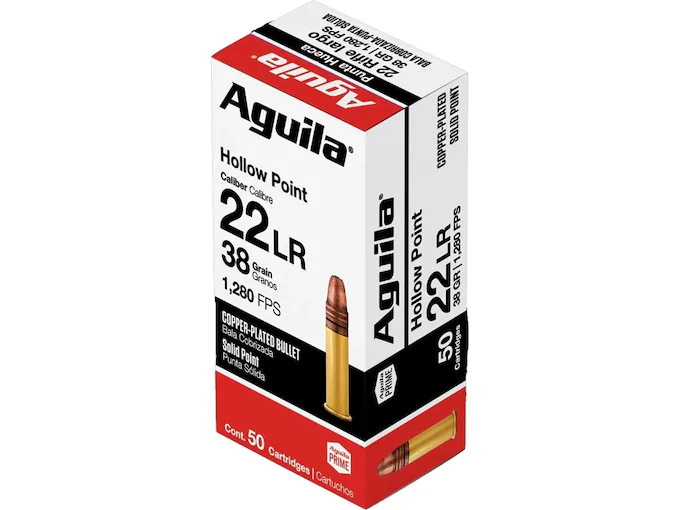
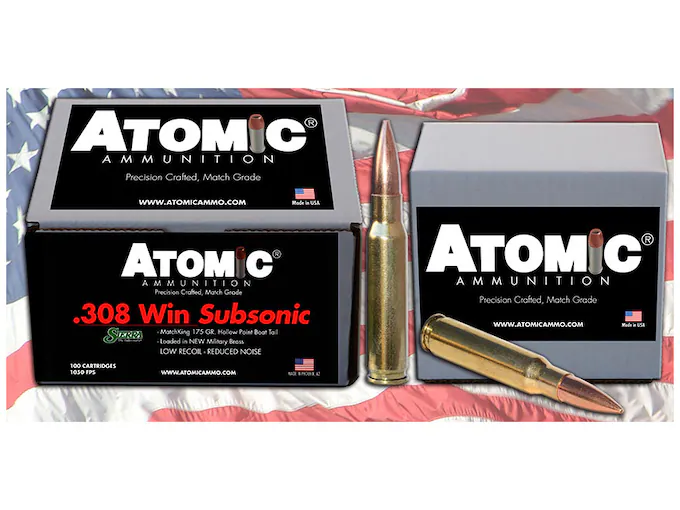
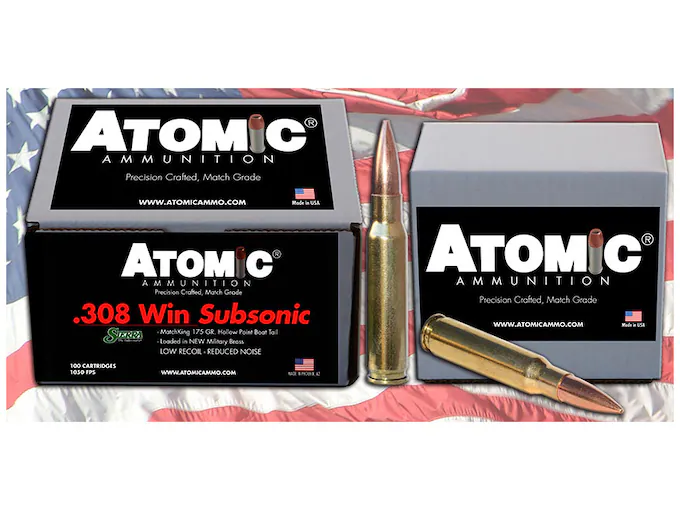
A Ruger 10/22 is a fantastic plinker, but you wouldn’t use subsonic 40-grain rounds for a squirrel hunt where terminal performance matters. Purpose dictates load. For defensive handguns, choose modern jacketed hollow points (JHPs) like Federal HST or Speer Gold Dot that are proven to expand reliably. For long-range precision, you need match-grade ammo with a consistent propellant charge and high-quality boat-tail hollow point (BTHP) or open-tip match (OTM) projectiles, such as Hornady ELD-M or Sierra MatchKing. For big game hunting, controlled-expansion bonded bullets or monolithic copper rounds like Barnes TSX provide deep penetration. We stock purpose-built loads because a one-size-fits-all approach fails in the field.
The Critical Role of Barrel Twist Rate
Your rifle’s accuracy with a specific bullet weight is largely governed by its barrel’s twist rate, expressed as 1:7″ or 1:10″. This number indicates how many inches of barrel it takes for the bullet to make one full rotation. A faster twist (e.g., 1:7″) stabilizes longer, heavier bullets. A 1:7″ twist barrel in an AR-15 will handle 77-grain match ammo beautifully, while a 1:12″ twist vintage rifle might only stabilize bullets up to 55 grains. Mismatching twist rate and bullet weight leads to keyholing (tumbling bullets) and terrible accuracy. Before you buy a case of 62-grain .223, know your barrel’s twist. It’s listed in the specs of every rifle in our online store.
Handloading vs. Factory Ammunition: A Practical Take
Handloading isn’t a hobby; it’s a discipline. It can produce the most accurate ammunition for your specific firearm and allows for customizing loads for obsolete calibers. However, it requires a significant investment in presses, dies, scales, and, most importantly, knowledge. A single overcharge can destroy a firearm and cause injury. For 99% of shooters, high-quality factory ammunition from reputable makers like Federal, Hornady, and Winchester is the correct choice. It’s safe, reliable, and today’s premium offerings are incredibly accurate. Unless you’re a competitive benchrest shooter or need thousands of rounds of a specific load, your time and money are better spent on proven factory ammo and more range time.
Recommendations: Proven Pairings That Work
Don’t overthink it. Here are three proven, reliable pairings for common uses. For home defense, a Glock 19 Gen5 paired with 124-grain Federal HST 9mm is a gold standard. For deer hunting in wooded areas, a Ruger American Rifle in .308 Winchester shooting 150-grain Winchester Power-Point ammo is a cost-effective, deadly combination. For precision .223/5.56 shooting, a Daniel Defense DDM4 V7 with a 1:7″ twist barrel loves 77-grain Sierra MatchKing loads from Black Hills Ammunition. These combinations eliminate variables and let you focus on fundamentals. You can find these firearms and the appropriate ammunition to test them with at Conwayhuntingsupply.
Is it safe to shoot +P or +P+ ammunition in my handgun?
Only if your handgun is explicitly rated for it by the manufacturer. +P denotes higher pressure. While modern, centerfire handguns from major makers (Glock, SIG, S&W, etc.) in calibers like 9mm and .45 ACP are generally +P-rated, you must check your manual. Using +P in a non-rated firearm, especially an older or alloy-framed model, accelerates wear and can be hazardous. +P+ has no SAAMI specification and should be used with extreme caution only in firearms the maker states can handle it.
Why does my rifle shoot one brand of ammo well but another poorly?
This is the core of rifle-ammo synergy. Every rifle has a harmonic “sweet spot.” Variables include the bullet weight, the powder’s burn rate, the seating depth of the bullet, and how the cartridge case fits your specific chamber. A load that vibrates the barrel in a consistent node at the moment the bullet exits will be accurate. One that doesn’t, won’t. This is why you must test multiple brands and bullet weights to find your rifle’s preferred diet. There’s no shortcut.
How should I store ammunition long-term?
Keep it cool, dry, and consistent. A metal ammo can with a good seal, stored in a closet or under a bed inside your climate-controlled home, is ideal. Avoid temperature swings like those in an attic or garage, as condensation can form inside cases. Modern smokeless powder and non-corrosive primers are stable for decades when stored properly. Label your cans with the purchase date and use older stock first in a general rotation.
The right ammunition transforms your firearm from a mechanical device into a precise tool. It’s the variable you control that has the greatest impact on downrange results. Stop guessing and start matching your gear with intent. Browse our firearms collection and the corresponding ammunition categories to build a system you can trust.
Last updated: March 25, 2026