Canadian Firearms Laws Explained
Canadian Firearms Laws Explained
Owning a handgun in Canada is fundamentally different than in the United States. Since October 2022, a federal freeze on the sale, purchase, and transfer of handguns has been in effect, meaning you cannot legally buy a new or used handgun from a store or individual. Understanding the three firearm classifications—Non-Restricted, Restricted, and Prohibited—is the first step to navigating ownership.
The Three Firearm Classes
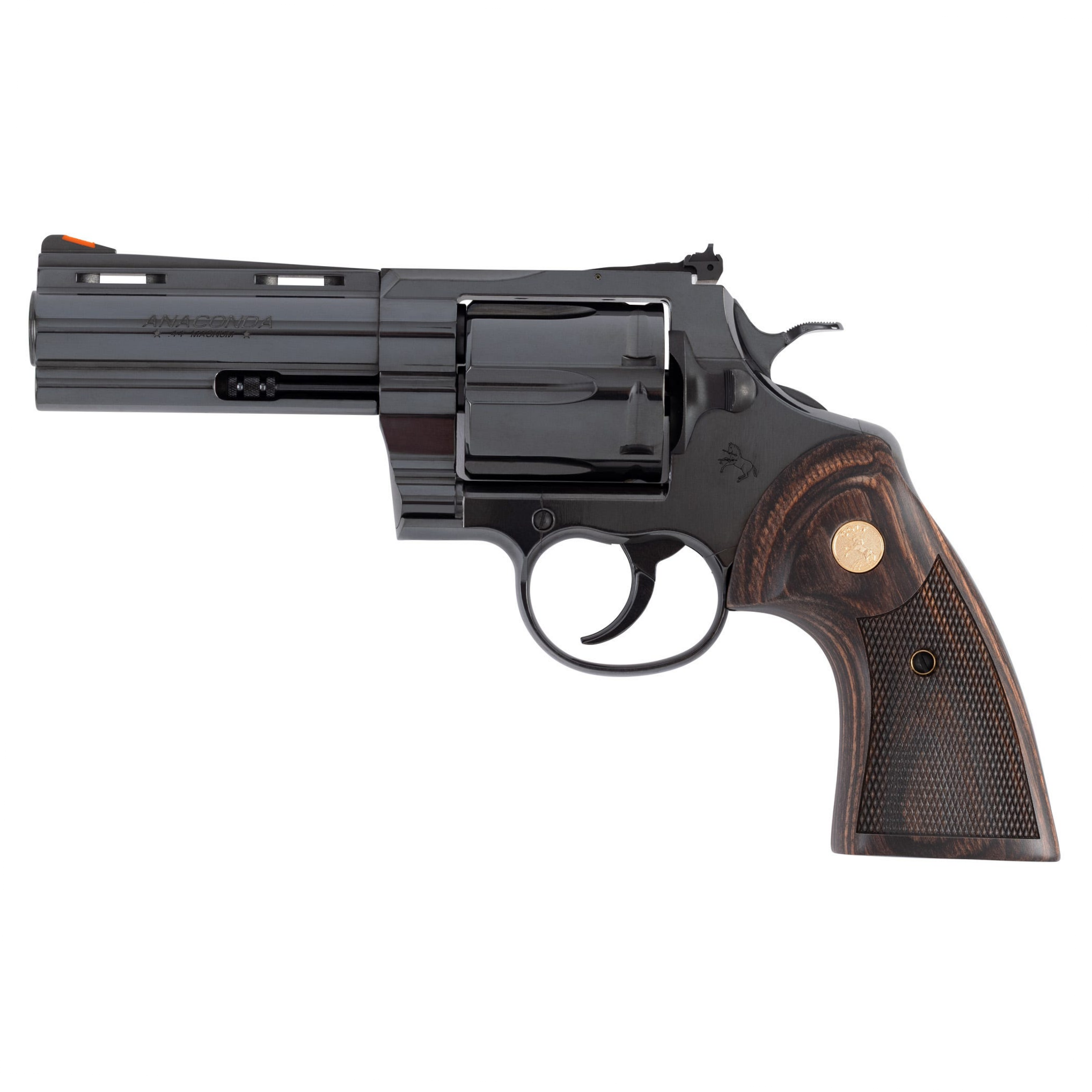
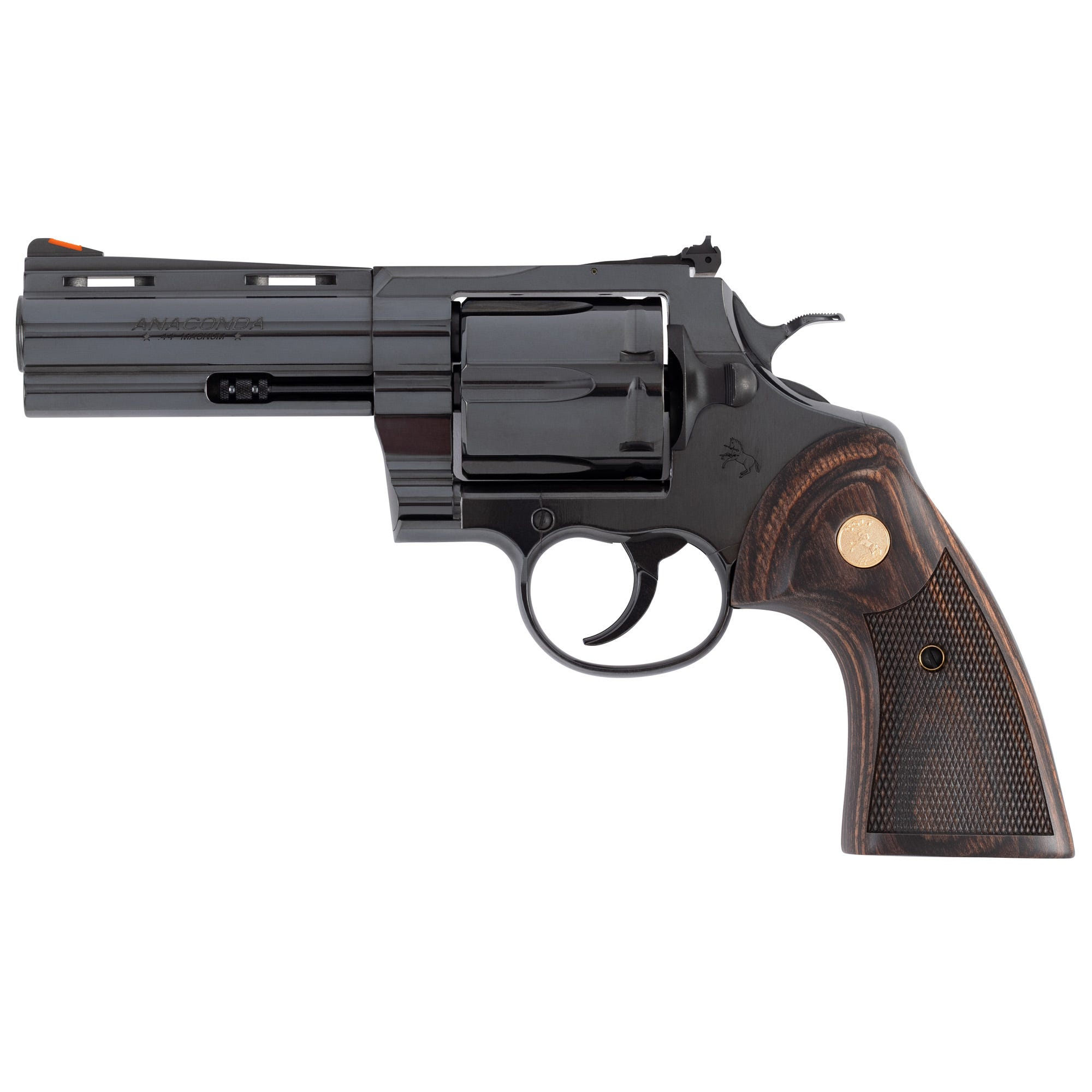
Canadian law divides firearms into three classes, each with distinct rules. Non-Restricted firearms include most conventional hunting rifles and shotguns, like the popular bolt-action .308 Winchester or 12-gauge pump-action shotguns. These require a Possession and Acquisition Licence (PAL). Restricted firearms are primarily handguns with a barrel length over 105mm and certain semi-automatic rifles. Owning these requires a Restricted PAL (RPAL), registration certificates, and they can only be discharged at approved shooting ranges. Prohibited firearms include handguns with barrels 105mm or shorter, automatic weapons, and firearms specifically named in regulations. For most civilians, a Prohibited licence is not available. It’s critical to verify a firearm’s classification through the RCMP’s Firearms Reference Table before attempting to purchase, even from a retailer like Conwayhuntingsupply.
The Handgun Freeze and Its Impact
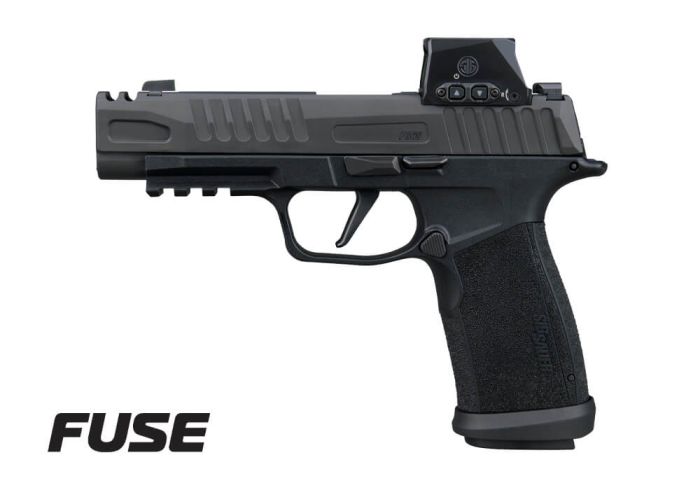
The national handgun freeze, enacted via Bill C-21, effectively halted the legal commercial market for handguns. You cannot buy, sell, or transfer a handgun within Canada, with very limited exceptions for elite sport shooters, those with specific grandfathered status, and certain inheritance scenarios. This means models like the SIG Sauer P365 FUSE Comp 9mm Pistol or the Springfield Armory XD Mod.4 are not available for new Canadian purchasers. The freeze does not affect current owners’ ability to possess their already-registered handguns, but they cannot sell them. This legislation has created a static pool of legally owned handguns in the country.
Licensing: Your PAL and RPAL
You cannot legally purchase any firearm or ammunition in Canada without a valid Possession and Acquisition Licence (PAL). The process involves taking the Canadian Firearms Safety Course (CFSC) for a Non-Restricted PAL, and the Canadian Restricted Firearms Safety Course (CRFSC) for an RPAL. After passing the exams, you apply to the RCMP with photos, references, and a background check. Processing times can exceed six months. An RPAL allows you to acquire Restricted firearms, but remember, the handgun freeze currently blocks new acquisitions. Your licence must be renewed every five years. Retailers like Conwayhuntingsupply are required by law to verify your PAL number and photo ID for every ammunition and firearm purchase.
Transportation, Storage, and Use
Strict rules govern how you move and store firearms. Non-Restricted firearms must be unloaded during transport, preferably in a locked case, with ammunition stored separately. For Restricted firearms, the rules are far more stringent: they must be unloaded, locked in a hard-sided container, and transported directly to and from an approved shooting range, gun show, or border point. You must also have an Authorization to Transport (ATT) for these movements, which is typically attached to your RPAL for range transport. Storage laws require all firearms to be unloaded and secured with a locking device (like a trigger lock) and/or in a secure cabinet or safe. Ammunition should be stored separately. Violating these rules can result in criminal charges and licence revocation.
Recent Changes and Prohibited Devices
Legislation is constantly evolving. Recent bans have targeted certain firearm models by name and specific components. For example, devices that are designed to increase a semi-automatic firearm’s rate of fire, such as a bump stock, are considered prohibited devices. It is illegal to import, acquire, or sell them. Magazine capacity is also heavily restricted: centerfire semi-automatic rifle magazines are limited to 5 rounds, and handgun magazines to 10 rounds, regardless of the magazine’s designed capacity. You must use a permanently pinned or blocked magazine to comply. Always check the most current regulations through the RCMP Canadian Firearms Program before purchasing any accessory or firearm, including from our ammunition collection.
Can I still buy a rifle or shotgun in Canada?
Yes, provided you have a valid Possession and Acquisition Licence (PAL). Non-Restricted rifles and shotguns, which include most common hunting firearms, are not subject to the handgun freeze. You can purchase them from a licensed retailer like Conwayhuntingsupply, who will verify your PAL. Always confirm the firearm’s classification is Non-Restricted before purchasing.
What happens if I inherit a handgun?
Inheriting a handgun is one of the few exceptions to the transfer freeze, but the process is strict. The executor of the estate must apply for a temporary licence and then transfer the firearm to you via the RCMP’s Firearms Program. You must already hold a valid Restricted PAL (RPAL) to receive it. The transfer must be approved before you take possession, and the handgun must be stored and transported according to Restricted firearm laws throughout.
Can I use my firearm for self-defense at home?
No. Canadian law does not recognize firearm ownership for the purpose of self-defense. Storing a firearm for protection is illegal. Firearms may only be used for lawful activities like hunting or target shooting at approved ranges. Using a firearm against a person, even in your own home, will likely result in serious criminal charges unless under the most extreme and narrowly defined circumstances of self-preservation, which are exceedingly rare in legal precedent.
Browse our firearms collection
Last updated: March 27, 2026