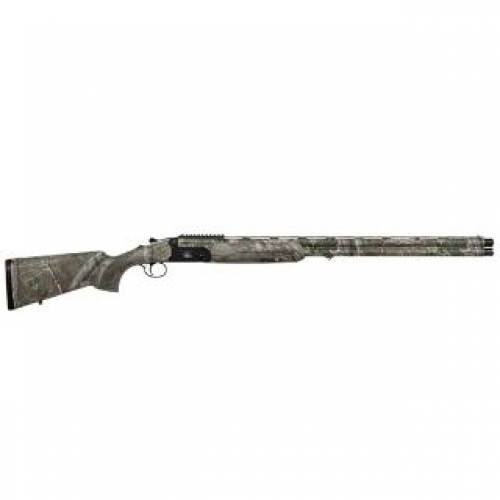
Arkansas duck hunting: the 2026-27 season and the guns for it
Arkansas is the place other duck hunters drive to. The Mississippi Flyway funnels mallards into the flooded timber and rice country of eastern Arkansas every winter, and the state built a season, a set of public areas and a whole culture around it. This guide covers the 2026-27 dates, the public ground within reach of the Arkansas River Valley, the licences you need and the shotguns that survive a season in the water.
The 2026-27 season
The Arkansas Game and Fish Commission set the duck, coot and merganser season in three segments: November 21 to 29, 2026, December 10 to 23, 2026, and December 26, 2026 to January 31, 2027. Canada goose runs September 1 to October 15 and then alongside the duck segments. White-fronted, snow, blue and Ross's goose opens earlier, October 31 to November 8, then follows the same pattern. The veteran, active-duty military and youth waterfowl hunt is February 6 and 7, 2027.
Daily limits are six ducks with species sublimits, including no more than four mallards, three wood ducks and one scaup, fifteen coots and five mergansers with no more than two hooded. Possession is three times the daily limit. Shooting starts thirty minutes before sunrise; on wildlife management areas the regular-season day ends at noon or one o'clock depending on the area, with the last day of the season, January 31, running to sunset.
Licences and stamps
A waterfowl hunter aged sixteen or older carries four things: an Arkansas hunting licence, an Arkansas waterfowl stamp, a signed federal migratory bird stamp and proof of Arkansas HIP registration. On any wildlife management area you also need the free WMA General Use Permit, and nonresidents need a three-day or thirty-day WMA waterfowl permit on top of the licence. Federally approved non-toxic shot is required statewide for ducks, geese and mergansers, and the shotgun must be plugged so it holds no more than three shells.
The public ground
For anyone based in the river valley, the big names are east and south:
- George H. Dunklin Jr. Bayou Meto WMA near Stuttgart, the classic green-timber area, where hunters must be off the water by noon during the regular season.
- Dave Donaldson Black River WMA above Paragould, where nonresidents are barred from waterfowl hunting during the first segment, November 21 to 29, 2026.
- Cache River and Dale Bumpers White River National Wildlife Refuges around Brinkley and Clarendon, federal ground with its own hunt brochure and its own rules.
- Galla Creek WMA near Russellville, now entirely non-motorized, and the river sloughs closer to home.
For 2026-27 the commission added non-motorized zones on Bayou Meto, Black River and Shirey Bay Rainey Brake to spread hunters out, and expanded permit hunts at Prairie Bayou. Read the current area regulations before you launch a boat, because these change from year to year.
What a timber gun has to do
Flooded timber is hard on equipment. The gun gets wet, it gets muddy, it gets knocked against trees, and it has to cycle three-inch steel loads at dawn in the cold with gloves on. That points at a short list of virtues: a reliable gas or inertia action, a corrosion-resistant finish, a barrel between twenty-six and twenty-eight inches, and a trigger guard big enough for a gloved finger.
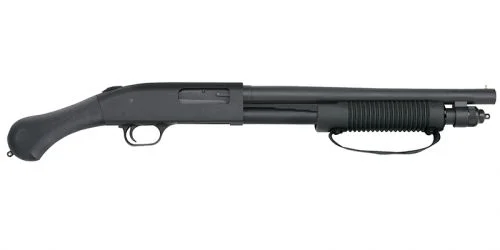
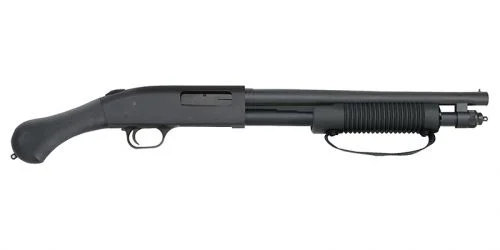
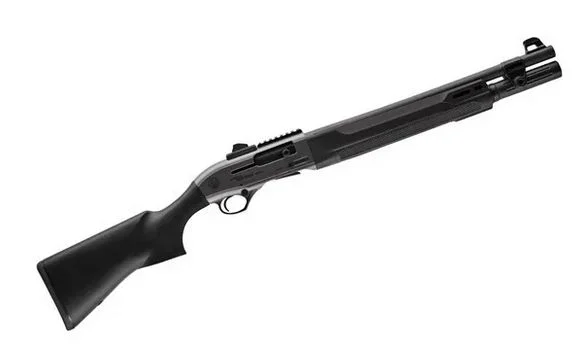
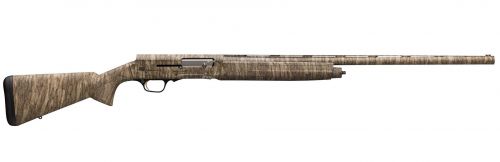
Inertia guns like the Benelli Super Black Eagle and the Franchi Affinity run clean and shed water, which is why so many timber hunters carry them. Gas guns like the Beretta A400 and the Browning Maxus soften the recoil of heavy steel loads across a long morning. The Browning A5 splits the difference with a recoil-operated action in a humpback receiver. Among pumps, the Remington 870 and the Mossberg 500 and 835 still do the job for a fraction of the money, and a pump does not care how cold it is.
Loads and chokes
Steel does not deform like lead, so most timber hunters move up two shot sizes and open the choke. A three-inch load of number two or number three steel through an improved cylinder or modified choke covers decoying mallards inside forty yards, which is what timber hunting is. Over open water and in the rice, where shots stretch out, a heavier load of BB or number one steel with a modified or improved modified tube makes more sense. Bismuth and tungsten loads are expensive but pattern tighter and are worth carrying for late-season birds that hang up.
Gear that matters as much as the gun
Waders that fit, a sling you can actually use with both hands full, a floating gun case for the boat ride and a way to dry the action at the end of the day. A cheap gun that gets cleaned beats an expensive one that never does. If you hunt out of a boat, a hard case earns its price the first time the gun slides.
Timber against rice
The two styles of Arkansas duck hunting ask different things of a gun. In the timber you stand in waist-deep water and shoot nearly straight up through a hole in the canopy at birds that are already committed, so a short, quick-handling gun with an open choke wins. On the rice and the reservoirs the birds circle wider and the shots stretch, which favours a longer barrel, a tighter tube and heavier shot. Plenty of hunters own one gun and simply change chokes and loads between the two, and that works fine.
Buying for the season
Duck guns sell out in October, not November, so the time to order is late summer. Browse the shotgun shelves in our catalog, and remember that a firearm goes to the licensed dealer you choose while shells, chokes and calls ship to your door. The Conway buying guide explains the transfer, the Arkansas gun law overview covers the legal side, and the Stuttgart and Brinkley pages cover the Delta towns hunters actually stay in.
General information, not legal advice. Current as of September 2026. Laws change; check the official source before you act.